
 By
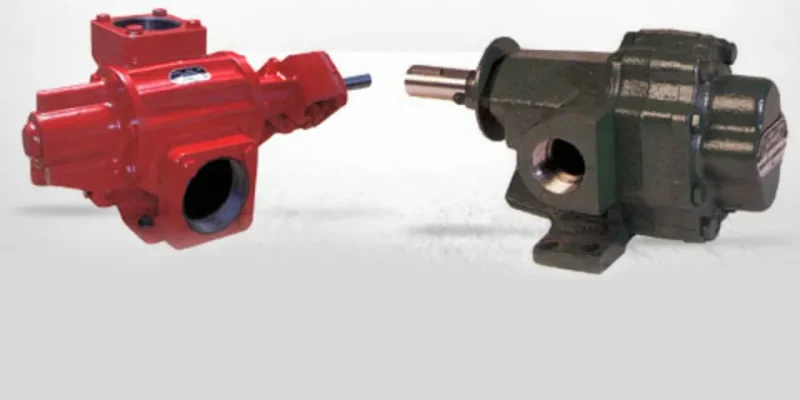
Chocolate transfer pumps are indispensable tools in the confectionery and chocolate industries. They ensure that chocolate moves efficiently and smoothly from one stage of production to another, maintaining consistency and quality. However, even the best equipment can fall short if not used correctly. This blog post will delve into common mistakes people make when using chocolate transfer pumps and provide expert advice on how to avoid them.
The Common Mistakes: Exploring the Top Errors in Detail
Incorrect Temperature Control: How It Affects the Pumping Process
Temperature control is critical when using chocolate transfer pumps. Chocolate has a temperamental nature, requiring specific temperatures to maintain its fluidity and prevent crystallization. Incorrect temperature settings can lead to a host of problems:
- Clogging: Chocolate that is too cool can solidify, causing clogs in the pump.
- Poor Texture: Overheated chocolate can lose its temper, resulting in a dull finish and crumbly texture.
- Inconsistent Flow: Incorrect temperatures can cause the chocolate to flow inconsistently, leading to uneven distribution.
Inadequate Cleaning and Maintenance: The Impact on Quality
Neglecting regular cleaning and maintenance can severely impact the quality of your chocolate and the longevity of your pump:
- Contamination: Residual chocolate can harbor bacteria, leading to contamination.
- Decreased Efficiency: Build-up inside the pump can hinder performance, reducing efficiency.
- Wear and Tear: Failure to properly clean and maintain can accelerate wear and tear on the pump’s components.
Improper Handling and Storage: Avoiding Damage and Downtime
Improper handling and storage can result in damage to the pump, leading to costly downtime:
- Physical Damage: Mishandling during setup or transport can damage sensitive components.
- Corrosion: Storing the pump in a damp environment can lead to rust and corrosion.
- Operational Issues: Leaving chocolate in the pump for extended periods can cause it to harden and block the system.
Using the Wrong Chocolate Viscosity: Finding the Optimal Balance
Using chocolate with the incorrect viscosity can strain the pump and affect the final product:
- Overworking the Pump: Chocolate that is too thick can overwork the pump, leading to mechanical failure.
- Inconsistent Product Quality: Viscosity that is too low can lead to air incorporation and inconsistent texture.
Expert Advice: Best Practices for Using Chocolate Transfer Pumps
Tips for Maintaining Correct Temperatures
- Use Thermometers: Regularly monitor the temperature of your chocolate with high-quality thermometers.
- Preheat Equipment: Ensure all components are preheated to the correct temperature before starting the transfer process.
- Insulated Piping: Use insulated piping to maintain consistent temperatures throughout the transfer.
Cleaning and Maintenance Guidelines for Optimal Performance
- Routine Cleaning: Establish a routine cleaning schedule to prevent build-up and contamination.
- Use Food-Grade Cleaners: Always use cleaners that are safe for food processing equipment.
- Regular Inspections: Conduct regular inspections for wear and tear, replacing worn parts promptly.
Proper Handling and Storage Techniques
- Gentle Handling: Train staff to handle the pump gently and properly to avoid physical damage.
- Dry Storage: Store the pump in a dry, temperature-controlled environment to prevent rust and corrosion.
- Empty After Use: Always empty the pump of chocolate after use to prevent hardening and blockages.
Advice on Achieving the Right Chocolate Consistency
- Measure Viscosity: Regularly measure the viscosity of your chocolate to ensure it meets the pump’s specifications.
- Adjust Formulations: Be prepared to adjust your chocolate formulations to achieve the optimal balance for pumping.
- Consistency Checks: Perform consistency checks throughout the production process to maintain quality.
The Importance of Precision in Chocolate Work and the Path to Improvement
Using a chocolate pump effectively requires precision and attention to detail. By avoiding common mistakes such as incorrect temperature control, inadequate cleaning and maintenance, improper handling and storage, and using the wrong chocolate viscosity, you can ensure the efficient operation of your pump and the highest quality of your chocolate products.
Implementing the expert advice provided will not only extend the lifespan of your equipment but also enhance your overall production process. Remember, in the world of chocolate making, precision is key to success. If you’re looking to delve deeper into the intricacies of chocolate pumps or seek professional advice, feel free to reach out to us.
By refining your practices, you can elevate your chocolate creations to new heights, ensuring every bite is a testament to your dedication and craftsmanship. Happy pumping!















Comments