
 By
Introduction
Tourism has always depended on how easily visitors can move within a destination. Today, urban mobility plays a central role in shaping how travelers experience cities, interact with local culture, and explore attractions efficiently. As global tourism grows and cities become more complex, modern mobility solutions are transforming how visitors navigate unfamiliar environments.
Urban mobility solutions now extend beyond traditional taxis and buses. Cities are adopting integrated transportation networks, shared mobility platforms, digital navigation systems, and environmentally sustainable transit options that make travel more convenient and enjoyable for tourists. These innovations improve accessibility, reduce travel stress, and allow visitors to spend more time experiencing destinations rather than planning logistics.
This article explores how urban mobility solutions support modern tourist experiences and how cities are using technology and infrastructure improvements to create more connected travel environments.
Understanding the Role of Urban Mobility in Tourism
Urban mobility refers to the systems and services that allow people to move efficiently within city environments. For tourists, mobility determines how easily they can access landmarks, accommodations, restaurants, entertainment districts, and cultural attractions.
Effective mobility systems help tourists:
- Navigate unfamiliar neighborhoods confidently
- Reduce travel time between destinations
- Access transportation without language barriers
- Explore beyond traditional tourist zones
- Experience cities more independently
Cities with well designed mobility networks often attract repeat visitors because travel experiences feel smoother and more predictable.
Public Transportation Networks Supporting Tourist Access
Public transportation remains one of the most important mobility resources for visitors. Modern transit systems offer affordable and reliable options for exploring urban areas.
Tourists benefit from public transportation through:
- Metro systems connecting major districts
- Bus routes covering residential and cultural neighborhoods
- Light rail services linking airports with city centers
- Regional trains supporting nearby destination visits
Cities that provide multilingual signage and simplified ticketing systems make public transportation more accessible to international travelers.
Integrated transit passes designed for visitors also improve travel convenience.
Mobility Apps Simplifying City Navigation
Mobile applications have transformed how tourists plan transportation routes and access transit information. Real time navigation tools reduce uncertainty and support independent travel decision making.
Mobility apps typically provide:
- Route planning assistance
- Real time transit updates
- Digital ticket purchasing
- Walking directions between connections
- Location based attraction suggestions
These tools help tourists optimize travel time and explore destinations more efficiently.
Navigation apps also support accessibility by reducing reliance on printed maps and language translation challenges.
Ride Sharing Services Expanding Travel Flexibility
Ride sharing platforms provide flexible transportation options for visitors traveling outside standard transit routes or during off peak hours.
Benefits of ride sharing services include:
- Convenient pickup from hotels and attractions
- Direct travel between destinations
- Reduced need for parking navigation
- Transparent pricing information
- Availability during late night hours
Ride sharing improves access to neighborhoods that may not be fully connected by public transit systems.
These services are especially valuable for families and travelers carrying luggage.
Bike Sharing Programs Supporting Active Tourism
Bike sharing programs allow visitors to explore cities at a comfortable pace while experiencing local environments more closely.
Bike sharing supports tourism by:
- Encouraging outdoor exploration
- Providing access to waterfront areas and parks
- Connecting scenic routes between landmarks
- Reducing reliance on motor vehicles
- Supporting environmentally responsible travel behavior
Cycling infrastructure improvements make bike sharing safer and more attractive to visitors.
Cities with protected bike lanes often see increased participation in cycling tourism.
Electric Scooter Services Enhancing Short Distance Travel
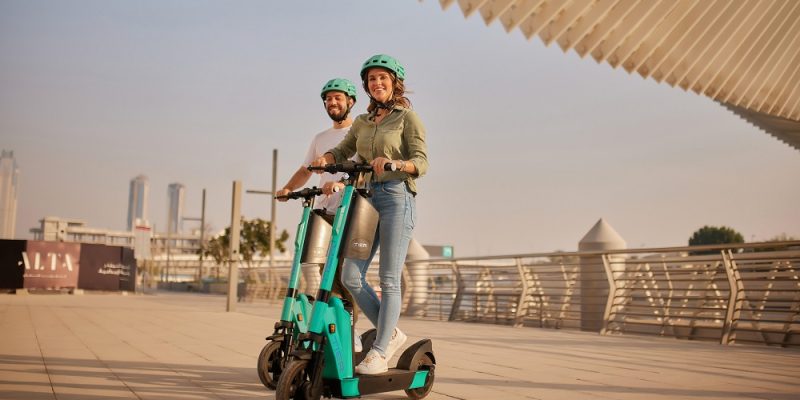
Electric scooters have become common features in many urban tourism environments. They provide efficient short distance transportation between nearby attractions.
Scooter sharing services help tourists:
- Travel quickly through pedestrian friendly zones
- Avoid congestion in busy districts
- Access narrow streets not served by buses
- Extend exploration range within limited timeframes
These services are particularly popular in compact historic city centers.
Scooters complement walking routes rather than replacing them.
Airport Connectivity Supporting First Impressions
Transportation between airports and city centers strongly influences initial visitor experiences. Efficient airport mobility solutions help tourists transition smoothly into urban environments.
Cities support airport connectivity through:
- Express rail connections
- Dedicated airport bus services
- Integrated transit ticketing systems
- Ride sharing pickup infrastructure
- Clear multilingual wayfinding signage
Reliable airport access reduces travel anxiety and improves overall satisfaction with the destination.
First impressions often shape perceptions of the entire trip.
Smart Transit Cards Simplifying Payment Systems
Integrated transit payment cards allow tourists to use multiple transportation services without managing separate tickets for each journey.
Smart transit cards provide:
- Access across buses trains and trams
- Simplified fare management
- Faster boarding experiences
- Predictable travel budgeting
- Compatibility with visitor passes
Unified payment systems reduce confusion for international travelers unfamiliar with local transportation structures.
Convenience encourages greater exploration across city districts.
Sustainable Mobility Supporting Responsible Tourism
Environmental sustainability has become a priority for many travelers. Cities that provide low emission transportation options support eco conscious tourism behavior.
Sustainable mobility solutions include:
- Electric buses
- Zero emission metro systems
- Pedestrian priority zones
- Shared mobility platforms
- Renewable energy powered transit infrastructure
These systems help cities manage tourism growth while protecting environmental quality.
Visitors increasingly appreciate destinations that support sustainable travel practices.
Walkability as a Core Urban Tourism Asset
Walkable neighborhoods improve accessibility to cultural attractions and local experiences. Many visitors prefer exploring destinations on foot when infrastructure supports safe navigation.
Walkability benefits tourists by:
- Encouraging spontaneous exploration
- Supporting access to local businesses
- Reducing transportation costs
- Enhancing cultural immersion opportunities
- Improving health and well being during travel
Cities investing in pedestrian friendly streets often experience stronger visitor engagement with local communities.
Walkability strengthens neighborhood level tourism economies.
Real Time Data Improving Travel Planning Accuracy
Smart city infrastructure increasingly uses real time data to support transportation efficiency. Tourists benefit from accurate updates that improve route planning decisions.
Real time data supports:
- Service delay notifications
- Traffic congestion awareness
- Weather adjusted route recommendations
- Transit capacity updates
- Event related route adjustments
Access to accurate information improves travel confidence.
Visitors can adjust plans quickly when conditions change.
Accessibility Improvements Supporting Inclusive Tourism
Inclusive transportation design ensures that visitors with mobility challenges can participate fully in urban travel experiences.
Accessibility focused mobility solutions include:
- Low floor transit vehicles
- Step free metro stations
- Audio navigation announcements
- Accessible ride sharing services
- Clear tactile navigation pathways
Inclusive infrastructure supports broader participation in tourism activities.
Cities that prioritize accessibility often attract a wider range of travelers.
Integration of Mobility Services Through Digital Platforms
Integrated digital platforms connect multiple transportation services into unified planning systems. Tourists can compare options and select routes that match their preferences.
Integrated mobility platforms provide:
- Multimodal trip planning
- Combined payment processing
- Route optimization recommendations
- Personalized travel suggestions
- Location based mobility alerts
These platforms reduce complexity for visitors navigating unfamiliar cities.
Integration improves overall travel efficiency.
Role of Urban Design in Supporting Tourist Mobility
Urban design influences how easily tourists move through city environments. Well planned transportation corridors and signage systems improve orientation and navigation confidence.
Urban design elements supporting tourism mobility include:
- Clearly marked transit hubs
- Multilingual directional signage
- Connected pedestrian pathways
- Transit oriented development zones
- Public information kiosks
Thoughtful design strengthens visitor independence.
Cities that invest in mobility oriented planning improve overall tourism satisfaction.
Future Trends in Urban Mobility Supporting Tourism
Urban mobility systems continue evolving as cities adopt advanced technologies and sustainability initiatives.
Emerging trends include:
- autonomous shuttle services connecting attractions
- expanded electric vehicle charging infrastructure
- artificial intelligence supported route optimization
- integrated tourism mobility platforms
- shared micro mobility network expansion
- smart traffic signal coordination systems
These developments will further improve tourist access to urban experiences.
Mobility innovation continues shaping how visitors explore cities worldwide.
Conclusion
Urban mobility solutions play a vital role in shaping modern tourist experiences by improving accessibility convenience and exploration opportunities across city environments. Public transportation networks ride sharing services micro mobility platforms smart navigation tools and sustainable transit systems all contribute to more efficient travel experiences.
As cities continue investing in integrated transportation infrastructure and digital mobility services tourists will benefit from smoother navigation greater independence and stronger connections to local attractions and communities. Effective mobility systems support not only tourism growth but also more inclusive and environmentally responsible urban travel experiences.
Frequently Asked Questions
1. How do urban mobility solutions influence tourist spending patterns
Efficient transportation access allows visitors to explore more neighborhoods which often increases spending across local businesses and cultural attractions.
2. Are integrated transit passes usually available for short term visitors
Many cities offer visitor transit passes designed specifically for short stays providing unlimited travel within selected time periods.
3. How do mobility apps help tourists avoid crowded routes
Mobility apps often provide real time congestion updates allowing travelers to choose less crowded transportation alternatives.
4. Can shared mobility services support rural tourism near major cities
Yes shared mobility platforms often connect urban centers with nearby scenic destinations supporting short distance regional tourism.
5. How does multilingual signage improve transportation accessibility for visitors
Multilingual signage reduces confusion and allows travelers to navigate transportation systems independently without translation assistance.
6. Are electric mobility options widely available in major tourist destinations
Many large cities now provide electric buses scooters and vehicle charging infrastructure supporting cleaner urban transportation.
7. How do mobility solutions support nighttime tourism activities
Extended transit hours ride sharing availability and well lit pedestrian corridors help visitors travel safely during evening cultural events and entertainment activities














Comments