
 By
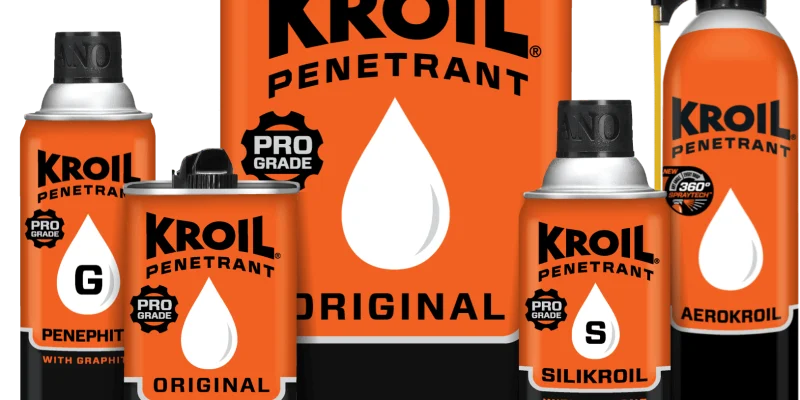
Industrial penetrating oils have long been a staple in various manufacturing and maintenance industries. Their ability to seep into tight spaces, displace moisture, and reduce friction makes them invaluable for loosening rusted bolts, lubricating machinery, and preventing corrosion. However, as we become more aware of our actions’ environmental impact, it’s essential to examine the environmental consequences of using these oils and consider sustainable alternatives.
Understanding Industrial Penetrating Oils
What is Penetrating Oil?
Penetrating oil is a low-viscosity lubricant designed to seep into small gaps and loosen rusted or stuck parts. Industrial penetrating oils are often used in bulk to maintain machinery, tools, and equipment in various sectors such as automotive, aerospace, and construction.
Key Ingredients and Types
Most conventional penetrating oils contain a blend of petroleum-based solvents and additives. These components are effective in breaking down rust and corrosion but pose significant environmental risks. Common types of industrial penetrating oils include:
- Petroleum-based penetrating oils: Made from refined crude oil, these are the most common types.
- Synthetic penetrating oils: Formulated from synthetic compounds designed to mimic the properties of natural oils.
- Bio-based penetrating oils: Derived from natural, renewable resources like vegetable oils.
Environmental Impact of Industrial Penetrating Oils
Pollution and Ecosystem Damage
Petroleum-based penetrating oils are particularly problematic for the environment. When improperly disposed of, they can contaminate soil and water sources, harming plants, animals, and aquatic life. The volatile organic compounds (VOCs) released during their use and disposal contribute to air pollution and smog formation.
Human Health Risks
Prolonged exposure to petroleum-based oils can pose serious health risks to workers, including respiratory issues, skin irritation, and long-term ailments like cancer due to the presence of harmful additives and solvents.
Resource Depletion
The extraction and refinement of crude oil for penetrating oils are resource-intensive processes. This not only depletes non-renewable resources but also contributes to greenhouse gas emissions and global warming.
Exploring Sustainable Alternatives
Given the environmental and health concerns associated with traditional penetrating oils, there’s a growing demand for eco-friendly alternatives. Here are some sustainable options:
Bio-based Penetrating Oils
Bio-based penetrating oils are made from renewable resources like vegetable oils and other plant-based materials. These oils offer comparable performance to their petroleum-based counterparts without the associated environmental and health risks. They are biodegradable, reducing the impact on ecosystems when disposed of properly.
Synthetic Penetrating Oils
Some synthetic penetrating oils are formulated to be less harmful to the environment. These products often contain fewer VOCs and other hazardous chemicals. However, it’s important to verify that they meet environmental safety standards.
Water-based Penetrating Oils
Water-based alternatives are another viable option. These products use water as the primary solvent, significantly reducing the environmental impact. They are often combined with biodegradable additives to enhance performance.
Benefits of Switching to Sustainable Alternatives
Reduced Environmental Footprint
Using eco-friendly penetrating oils minimizes soil, water, and air contamination. Their biodegradable nature ensures that they break down more easily in the environment, posing less risk to wildlife and ecosystems.
Improved Worker Safety
Sustainable penetrating oils are typically free from harmful additives and solvents, reducing health risks for workers. This leads to a safer working environment and less need for protective measures against hazardous chemicals.
Regulatory Compliance
With increasing global regulations aimed at reducing environmental pollution, switching to sustainable alternatives can help businesses comply with environmental standards and avoid potential fines and sanctions.
Making the Transition
Transitioning to sustainable penetrating oils requires some planning and effort but offers long-term benefits for your business and the environment. Here are steps to get started:
Evaluate Your Needs
Assess the specific requirements of your operations to identify which sustainable alternatives will best suit your needs. Consider factors like the type of machinery, operating conditions, and performance expectations.
Source Reliable Suppliers
Partner with reputable suppliers who specialize in eco-friendly lubricants. Ensure they provide detailed information about the environmental impact and safety of their products.
Train Your Team
Educate your team about the benefits of using sustainable penetrating oils and provide training on proper application and disposal methods. This will ensure a smooth transition and maximize the effectiveness of the new products.
Monitor and Adjust
Regularly monitor the performance of the sustainable oils and gather feedback from your team. Be prepared to make adjustments as needed to optimize their use in your operations.
In today’s world, where environmental responsibility is paramount, it’s crucial to reevaluate the tools and products we use in our industries. Traditional industrial penetrating oils, while effective, come with significant environmental and health risks. By transitioning to sustainable alternatives like bio-based, synthetic, or water-based penetrating oils, businesses can reduce their environmental footprint, improve worker safety, and comply with regulatory standards.
Ready to make the switch? Learn more about sustainable alternatives and how they can benefit your operations by visiting our website or booking a consultation with one of our experts. Together, we can build a greener, more sustainable future.
















Comments