
 By
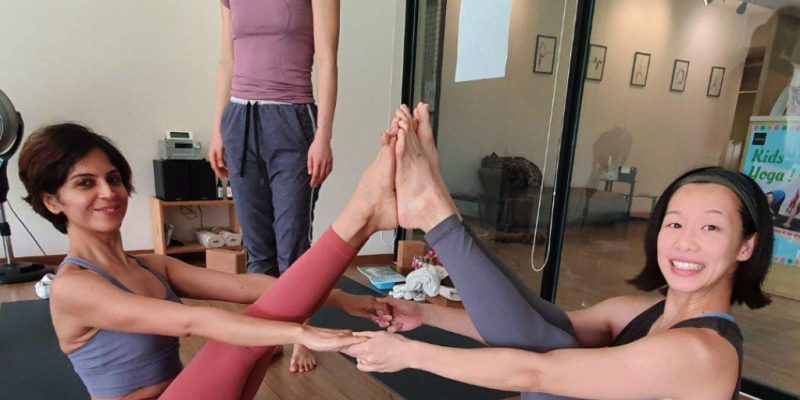
In Singapore’s fast-moving lifestyle, injuries can happen easily — whether through intense fitness routines, long hours of desk work, or daily physical strain. Rehabilitation often focuses solely on physical recovery, but healing also requires mental and emotional alignment. This is where yoga classes Singapore stand out. When taught in a structured, supportive studio environment, yoga becomes not just a form of exercise but a therapeutic pathway for recovery, strength rebuilding, and holistic restoration.
Understanding Yoga’s Role in Recovery
Yoga is often associated with flexibility and mindfulness, but it is also an effective rehabilitative tool. The slow, deliberate postures build stability around joints, enhance proprioception (the body’s ability to sense movement), and restore muscular balance. Unlike conventional therapy that isolates muscles, yoga retrains the entire body to move in coordinated harmony.
By combining breath control, mindful awareness, and movement, yoga supports both the physical and neurological aspects of healing. It helps patients reconnect with their bodies, reduce fear of movement, and rebuild confidence — critical elements in post-injury rehabilitation.
The Science Behind Yoga and Physical Healing
Yoga influences recovery through several scientifically supported mechanisms:
-
Improved Circulation: Gentle stretching increases blood flow to injured tissues, accelerating repair.
-
Neuromuscular Re-education: Controlled movements retrain muscles and nerves, helping the brain form new motor patterns.
-
Inflammation Control: Breathwork and relaxation techniques lower stress hormones, which can reduce inflammation and pain.
-
Lymphatic Activation: Inversions and twisting postures stimulate lymphatic drainage, aiding in detoxification and tissue repair.
Through consistent practice, yoga can complement physiotherapy and medical treatment, enhancing flexibility, joint mobility, and tissue strength without overloading healing structures.
Why Yoga Supports Recovery Better Than Rest Alone
While rest is vital after an injury, prolonged inactivity can lead to muscle stiffness, reduced circulation, and even anxiety. Yoga bridges the gap between rest and active movement, offering gentle progression that keeps the body mobile while respecting its healing limitations.
In Singapore, many practitioners recovering from back pain, knee strain, or shoulder injuries turn to yoga because it allows for gradual movement in a supportive, non-competitive setting. Classes are adaptable, allowing participants to modify poses or use props like straps, blocks, or bolsters. This adaptability ensures continued engagement without risk of reinjury.
The Mind-Body Connection in Rehabilitation
One of yoga’s greatest strengths is its ability to address the psychological side of recovery. Injuries often lead to frustration, impatience, or fear of movement. These emotions can delay progress. Yoga’s emphasis on mindfulness encourages acceptance of the present state of the body and fosters patience during the healing journey.
During practice, students are guided to breathe through discomfort and observe sensations without judgment. This approach not only calms the nervous system but also rewires pain perception. Over time, individuals learn to distinguish between safe effort and harmful strain — a key skill for sustainable recovery.
Targeted Benefits for Common Injuries
Different types of injuries benefit from specific yoga techniques. Instructors trained in rehabilitation adapt postures to address individual needs:
-
Back Pain: Gentle spinal twists, Cat-Cow stretches, and supported Bridge Pose relieve tension in the lumbar region.
-
Knee Injuries: Strength-building poses like Chair Pose or Half Squat improve quadriceps support while reducing knee strain.
-
Shoulder Issues: Modified Downward Dog and Thread the Needle enhance shoulder stability without overextension.
-
Postural Imbalance: Standing and core-focused poses realign the spine and improve overall body awareness.
Each sequence builds strength gradually, improving joint integrity and muscular endurance.
Breathing as a Healing Mechanism
Breathwork, or pranayama, is a cornerstone of yoga rehabilitation. Shallow breathing, common after injury or surgery, limits oxygen flow to tissues and heightens stress. Controlled deep breathing restores oxygenation and helps the parasympathetic nervous system take over — the body’s natural “rest and repair” mode.
Techniques like Ujjayi breathing (victorious breath) or Diaphragmatic breathing increase lung capacity and relaxation. This enhances the body’s internal healing environment and supports better focus during recovery exercises.
Integrating Yoga with Physiotherapy
In Singapore, many physiotherapists now recommend yoga as a complementary practice. While physiotherapy targets specific muscle groups, yoga reinforces overall stability and range of motion. A combined routine offers measurable advantages: improved flexibility, faster coordination recovery, and lower relapse rates.
For example, after knee surgery, physiotherapy rebuilds joint movement, while yoga reintroduces whole-body coordination, helping patients regain natural walking patterns. Similarly, for back rehabilitation, yoga’s gentle spinal mobilisations complement traditional exercises to maintain strength and posture.
Mental Resilience During Recovery
Recovery is as much psychological as it is physical. Frustration and self-doubt often hinder progress. Yoga builds resilience through mindfulness and breath awareness, reminding practitioners that healing is non-linear.
By focusing on present sensations and letting go of comparisons, individuals cultivate gratitude and patience. Over time, these mental shifts accelerate recovery by reducing stress hormones and promoting hormonal balance, which supports cellular healing.
Real-Life Example: Returning to Movement After a Shoulder Injury
Consider a working professional who suffers a shoulder strain from repetitive office posture. After initial rest and physiotherapy, they start attending restorative yoga classes twice a week. With modified poses like Supported Child’s Pose and gentle arm stretches, mobility returns without re-injury. Within two months, not only has pain reduced, but posture has improved, and daily fatigue is noticeably lower.
This case illustrates how mindful, structured yoga practice rebuilds strength gradually, encouraging long-term stability rather than temporary relief.
Adapting Yoga to Different Stages of Recovery
The path to recovery unfolds in stages, and yoga adapts accordingly:
-
Early Phase (Restoration): Focus on gentle stretching, breathwork, and mental relaxation.
-
Middle Phase (Rebuilding): Introduce light weight-bearing postures for balance and strength.
-
Final Phase (Reintegration): Progress to dynamic flows that restore full range of motion and confidence.
Instructors trained in therapeutic yoga guide practitioners safely through these transitions, ensuring that each phase supports complete recovery.
Creating the Right Environment for Healing
The setting in which yoga is practiced plays a vital role. Studios such as Yoga Edition offer calming spaces with appropriate temperature control and expert instructors who adapt classes for those recovering from injuries. A supportive environment encourages consistency, which is essential for neural and muscular adaptation.
Lighting, music, and mindful pacing all contribute to the mental ease necessary for deep healing. Many participants describe feeling emotionally lighter after sessions — a sign that both mind and body are releasing stored tension.
FAQs
Q1. Can yoga replace physiotherapy for recovery?
No, yoga complements physiotherapy but does not replace it. While physiotherapy focuses on targeted rehabilitation, yoga enhances flexibility, coordination, and mental resilience, supporting long-term healing.
Q2. Is yoga safe for post-surgery recovery?
Yes, when practiced under qualified guidance and with medical clearance. Gentle restorative yoga can improve circulation and reduce stiffness after surgery.
Q3. How soon after an injury can I start yoga?
This depends on the type and severity of the injury. For minor strains, you can resume gentle yoga within a few weeks. For major injuries, consult your doctor before returning to class.
Q4. What types of yoga are best for rehabilitation?
Restorative, Yin, and Hatha yoga are most suitable. These styles focus on alignment, breath control, and slow transitions, making them safe for recovery.
Q5. Can yoga prevent future injuries?
Absolutely. Yoga enhances body awareness and strengthens stabiliser muscles, reducing the risk of re-injury. It also teaches mindfulness in movement, improving posture and coordination in everyday activities.
When integrated thoughtfully, yoga becomes more than physical exercise — it transforms into a therapeutic system that restores balance, confidence, and vitality. For those recovering from injuries in Singapore, mindful practice through structured yoga classes provides a bridge between pain and full functional strength, enabling both body and mind to heal in harmony.













Comments