
 By
Introduction
Retail has entered a technology driven transformation phase where intelligent systems influence nearly every step of the customer journey. From product discovery to checkout and post purchase engagement, smart retail technology is redefining how consumers interact with brands across physical and digital environments.
Today’s shoppers expect speed personalization convenience and transparency. Retailers are responding by adopting smart technologies such as artificial intelligence inventory automation predictive analytics and frictionless payment systems. These innovations are not simply improving operational efficiency. They are reshaping shopping behavior itself.
Understanding how smart retail technology influences consumer expectations helps businesses design better experiences and helps shoppers navigate an increasingly connected retail ecosystem.
What Smart Retail Technology Means in Modern Commerce
Smart retail technology refers to digital tools and connected systems that enhance customer experience while improving store operations and decision making accuracy. These technologies combine data analytics automation sensors mobile connectivity and artificial intelligence to support intelligent retail environments.
Examples of smart retail technology include:
- Smart shelves using inventory sensors
- Self checkout systems
- Mobile payment platforms
- Personalized recommendation engines
- Real time inventory visibility tools
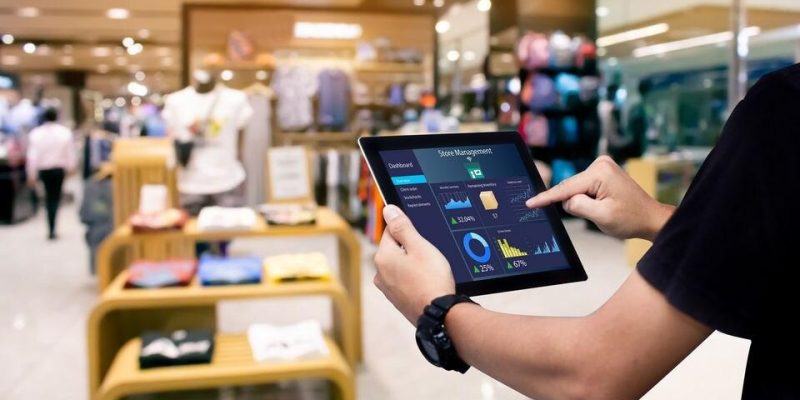
- Customer analytics dashboards
- Interactive in store displays
Together these systems create responsive shopping environments that adapt to customer behavior in real time.
Changing Expectations Around Convenience
One of the most visible effects of smart retail technology is the shift in customer expectations around convenience. Shoppers increasingly prefer seamless experiences that reduce waiting time and simplify purchase decisions.
Technology supports convenience through:
- Faster checkout processes
- Accurate product availability information
- Mobile payment flexibility
- Easy product comparisons
- Streamlined returns processing
When customers experience convenience consistently they begin expecting it across all retail channels.
Retailers that cannot meet these expectations often lose customer loyalty quickly.
Personalization Transforming Purchase Decisions
Smart retail platforms now analyze customer preferences browsing patterns and purchase histories to deliver personalized recommendations. Personalization reduces decision fatigue and helps shoppers discover products more efficiently.
Personalized shopping experiences may include:
- Customized product suggestions
- Location based promotions
- Dynamic pricing offers
- Personalized loyalty rewards
- Tailored email communication
Consumers increasingly expect retailers to anticipate their needs rather than simply respond to them.
Personalization has become one of the strongest drivers of repeat purchases.
Artificial Intelligence Enhancing Product Discovery
Artificial intelligence plays a central role in helping customers find relevant products quickly. Recommendation systems evaluate large volumes of behavioral data to predict what shoppers are most likely to purchase next.
AI driven product discovery supports:
- Visual search capabilities
- Voice enabled shopping assistance
- Smart filtering systems
- Behavioral recommendation engines
- Predictive product suggestions
These tools reduce the time customers spend searching and increase satisfaction during the discovery phase.
Retailers benefit from higher engagement and improved conversion rates.
Smart Inventory Systems Improving Shopping Confidence
Inventory visibility directly influences purchase decisions. Customers are more likely to complete purchases when they trust that product availability information is accurate.
Smart inventory technology uses sensors and analytics platforms to maintain real time stock awareness.
Benefits include:
- Reduced out of stock frustration
- Accurate store level availability updates
- Faster fulfillment processing
- Improved online pickup coordination
- Efficient restocking operations
When customers trust availability information they are more willing to shop across channels.
Frictionless Checkout Experiences Reshaping Store Visits
Traditional checkout lines were once a major source of customer dissatisfaction. Smart checkout systems now reduce wait times and simplify payment processing.
Frictionless checkout solutions include:
- Self checkout kiosks
- Mobile scan and pay systems
- Contactless payment terminals
- Automated receipt tracking
These systems allow customers to complete purchases quickly without interrupting their shopping flow.
As frictionless checkout becomes more common customers increasingly expect similar efficiency everywhere they shop.
Role of Mobile Technology in Modern Shopping Behavior
Mobile devices have become central tools in the retail experience. Shoppers now rely on smartphones to compare products read reviews access promotions and complete transactions.
Mobile retail technology supports:
- Real time price comparison
- Digital loyalty program access
- Mobile payment processing
- Location based store navigation
- Personalized notification delivery
Mobile connectivity allows customers to stay informed and engaged throughout the shopping journey.
Retailers that integrate mobile experiences effectively strengthen customer relationships.
Data Analytics Supporting Smarter Retail Decisions
Retail analytics platforms collect insights from multiple customer touchpoints including online activity store visits and transaction history. These insights help retailers understand behavior patterns and improve service quality.
Analytics driven improvements include:
- Optimized store layouts
- Better product placement strategies
- Improved pricing adjustments
- Demand forecasting accuracy
- Promotion timing optimization
Customers benefit indirectly from these improvements through more relevant and efficient shopping experiences.
Smart Shelves and Sensor Based Store Intelligence
Smart shelves equipped with sensors detect product movement and inventory levels in real time. These systems help retailers maintain accurate stock conditions while improving shelf organization.
Smart shelf technology supports:
- Automated inventory monitoring
- Product interaction tracking
- Pricing accuracy updates
- Shelf restocking alerts
- Theft prevention monitoring
Customers experience fewer stock related disruptions when stores implement these systems.
Reliable shelf availability improves satisfaction and trust.
Omnichannel Integration Creating Unified Shopping Journeys
Modern shoppers rarely use only one retail channel. They move between physical stores websites and mobile applications during the decision making process.
Smart retail technology supports seamless omnichannel experiences through integrated platforms.
Omnichannel integration allows customers to:
- Check inventory across locations
- Order online and pick up in store
- Return products through multiple channels
- Access consistent pricing information
- Continue shopping sessions across devices
This flexibility improves convenience and increases engagement across the entire retail journey.
Augmented Reality Supporting Confident Purchase Decisions
Augmented reality tools allow customers to visualize products in real world environments before purchasing them. This capability improves confidence especially for high consideration purchases.
Augmented reality supports:
- Virtual fitting experiences
- Home furniture placement previews
- Cosmetic product visualization
- Interactive product demonstrations
These experiences reduce uncertainty and improve satisfaction with purchase outcomes.
Retailers benefit from reduced return rates and stronger customer trust.
Smart Pricing Strategies Influencing Consumer Behavior
Retailers now use intelligent pricing systems that adjust offers based on demand conditions customer preferences and market trends.
Smart pricing strategies support:
- Dynamic promotion timing
- Personalized discount targeting
- Competitive price monitoring
- Seasonal adjustment planning
Customers increasingly respond positively to pricing that reflects relevance and fairness rather than fixed structures.
Transparent pricing supported by analytics strengthens purchase confidence.
Voice Commerce Expanding Shopping Accessibility
Voice enabled assistants are becoming part of everyday retail interactions. Customers can search for products reorder household items and check delivery status through voice commands.
Voice commerce supports:
- Faster product searches
- Hands free ordering convenience
- Improved accessibility for diverse users
- Efficient reorder experiences
As voice technology adoption grows retailers continue adapting interfaces to support conversational shopping behavior.
Role of Predictive Analytics in Anticipating Customer Needs
Predictive analytics systems evaluate historical purchase behavior to forecast future demand patterns. These insights help retailers prepare inventory and promotions before customers begin searching.
Predictive analytics supports:
- Anticipating seasonal demand shifts
- Identifying repeat purchase timing
- Planning targeted promotions
- Improving fulfillment readiness
Customers benefit from faster product availability and more relevant offers.
Predictive systems help retailers stay ahead of changing expectations.
Impact of Smart Retail Tech on Customer Loyalty
Technology supported experiences influence how customers evaluate brand reliability. Retailers that consistently deliver accurate personalized and efficient interactions often see stronger loyalty outcomes.
Smart technology strengthens loyalty by supporting:
- Consistent service quality
- Faster issue resolution
- Transparent communication
- Relevant promotion delivery
- Seamless cross channel experiences
When customers trust technology enabled services they return more frequently.
Privacy Considerations in Smart Retail Environments
As retail technology becomes more advanced data privacy expectations also increase. Customers expect retailers to handle personal information responsibly.
Retailers strengthen trust by:
- Providing transparent data policies
- Offering preference control settings
- Securing transaction systems
- Limiting unnecessary data collection
Privacy awareness plays an important role in shaping customer comfort with smart retail experiences.
Responsible data management supports long term engagement.
Future Trends Shaping Smart Retail Behavior
Retail technology continues evolving rapidly as artificial intelligence connectivity platforms and automation tools improve.
Emerging trends influencing future shopping behavior include:
- cashier free store environments
- advanced visual search capabilities
- real time digital store navigation systems
- automated fulfillment centers
- expanded predictive personalization platforms
- connected smart home purchasing integrations
These developments will continue transforming how customers interact with retail environments.
Conclusion
Smart retail technology is reshaping modern shopping behavior by improving convenience personalization speed and transparency across the entire customer journey. Intelligent systems help retailers understand customer needs more accurately while enabling shoppers to make faster and more confident decisions.
As technologies such as artificial intelligence sensor based inventory systems augmented reality and predictive analytics become more widespread shopping experiences will continue evolving toward greater efficiency and responsiveness. Retailers that invest in smart technology adoption are better positioned to meet rising expectations and build stronger long term relationships with customers.
Frequently Asked Questions
1. How do smart retail technologies affect impulse buying behavior
Smart recommendation systems and targeted promotions can increase impulse purchases by presenting relevant products at moments of high engagement.
2. Are smart retail stores more expensive to operate than traditional stores
Initial implementation costs may be higher but automation and analytics often reduce long term operational expenses.
3. How does smart retail technology support smaller retail businesses
Cloud based analytics platforms and mobile payment systems allow smaller retailers to adopt smart technology without large infrastructure investments.
4. Can smart retail technology improve product return experiences
Yes technology helps simplify return processing through digital receipts automated tracking systems and flexible return channel options.
5. How does predictive analytics help manage seasonal inventory demand
Predictive tools evaluate past purchase patterns to estimate upcoming demand and improve stocking accuracy before peak shopping periods.
6. Do smart retail technologies influence in store employee roles
Yes employees increasingly focus on customer support and service quality rather than manual inventory tracking tasks.
7. How do smart retail systems improve accessibility for customers with disabilities
Voice interfaces mobile navigation assistance and automated checkout systems help create more inclusive shopping environments.













Comments